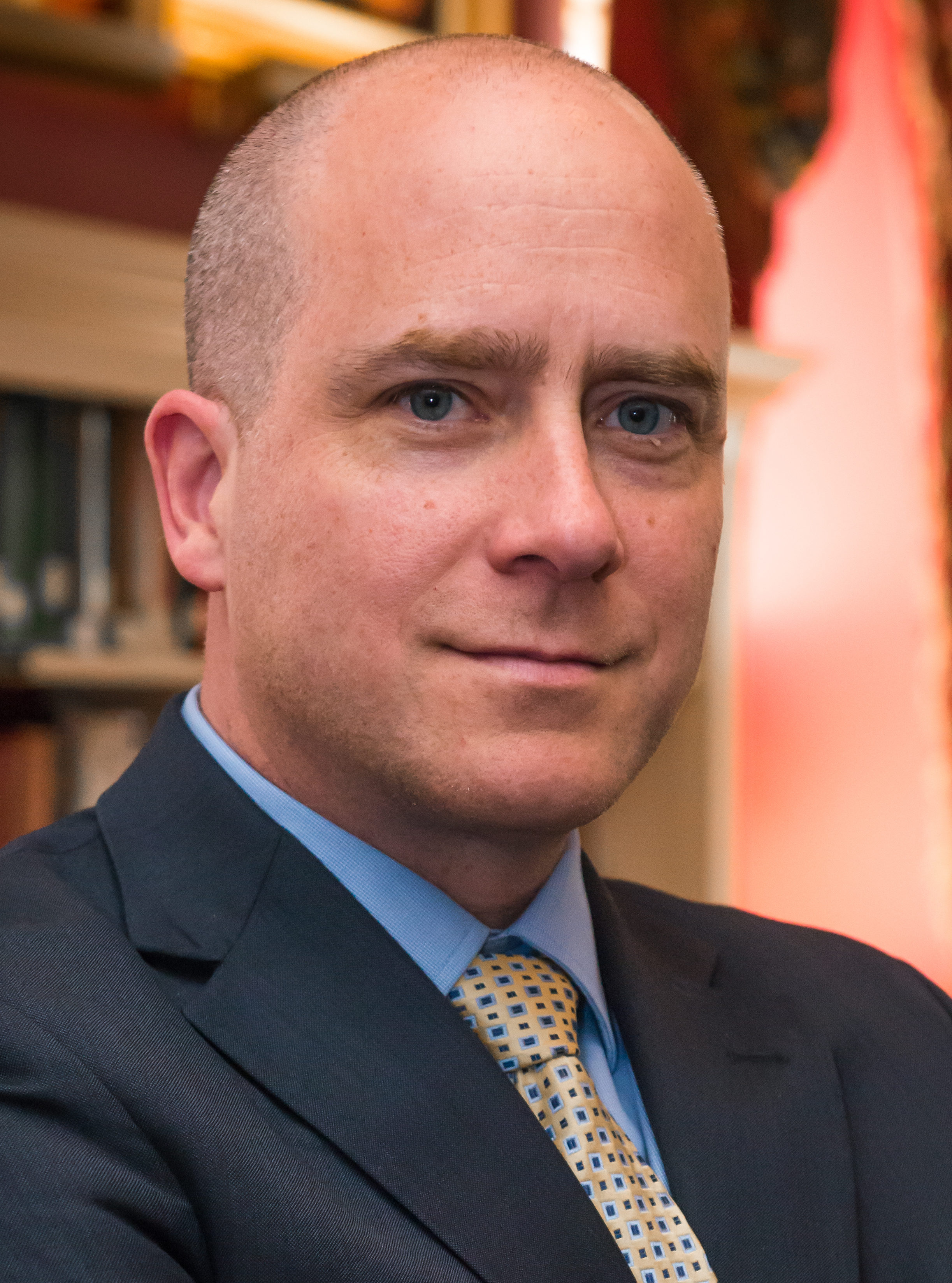
Marc LiVecche

Marc LiVecche (PhD, University of Chicago) is the McDonald Distinguished Scholar of Ethics, War, and Public Life at Providence. He is also a non-resident research fellow at the US Naval War College, in the College of Leadership and Ethics and adjunct professor of ethics at the US Naval Academy.

Marc completed doctoral studies, earning distinction, at the University of Chicago, where he worked under the supervision of the political theorist and public intellectual Jean Bethke Elshtain, until her death in August, 2013. His first book, The Good Kill: Just War & Moral Injury, was published in 2021 by Oxford University Press. He has co-edited, both with Eric Patterson, Responsibility and Restraint: James Turner Johnson and the Just War Tradition, published by Stone Tower Press and Military Necessity and Just War Statecraft, published by Routledge. Currently, he is finalizing Moral Horror: A Just War Defense of the Bombing of Hiroshima. Before all this academic stuff, Marc spent twelve years doing a variety of things in Central Europe—ranging from helping build sport and recreational leagues in post-communist communities, to lecturing on culture, moral philosophy, history, and theology at a study and research center, to leading seminars on history and ethics onsite at the former Auschwitz-Birkenau Nazi concentration camp in Poland. This latter experience allowed him to continue his undergraduate study of the Shoah; a process which rendered him entirely ill-suited for pacifism.

Marc lives in Annapolis, Maryland with his wife and children–and a transient marmota monax whistlepigging under the shed. He can be followed, or stalked, on twitter @mlivecche. Additional publications can be found at his Amazon author page. He can be contacted at: mlivecche@providencemag.com

All Author Content

Author Articles

Author Podcasts

Author Videos

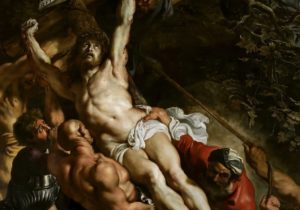
kavod good friday weight glory
The Holy Week Reader—Friday: Kavod! The Weight of Glory

Peter Paul Ruben’s extraordinary “Raising of the Cross” helps reflect on Divine love, human flourishing, and the weight of glory.

go and do likewise, violence sacrifice jesus easter
The Holy Week Reader—Thursday: Go and Do Likewise

Maundy Thursday has much to say both about the location of human flourishing and the role violence might play in it.

Judas' betrayal of Jesus shows that Divine love is willing to give human beings despite the risks, because love must be free
The Holy Week Reader—Wednesday: Volo Ut Sis

Christ’s treatment of Judas, despite his betrayal, illustrates the Divine Love that was willing to bring human beings into being despite the risks. Because that’s what love does.

the second temple destruction on passover
The Holy Week Reader—Tuesday: Living Faithfully Under Sentence of Death

Holy Tuesday is about preparation, endurance, and hope despite the grim realities around us. In the face of the certainty of death, we are shown how best to live.

Was Jesus a Pacifist?
The Holy Week Reader—Monday: A Savior Who Overturns Tables

The cleansing of the temple reveals the character of our Messiah and is a model for those who would follow him.

In Defense of National Interests

With the publication of the new “National Defense Strategy,” it’s a good time to remember that national interest is a good thing. Even for our neighbors.

Evil in the Dock

The Nuremberg Trials began 80 years ago. It was an essential exercise of justice and the vindication of victims and proved the importance of rubbing one’s nose in it.

chivalry marines
Combat Ethics, Warrior Ethos, and Moral Injury

If just war tradition requires particular kinds of warriors to fight just wars justly, we owe those particular kinds of warriors particularly kinds of things

A Love for Life and Responsible Sovereignty

Israel’s strike against Iran proves that the Western love of life is not our weakness, but our strength. And a means toward responsible statecraft.

Pope Leo
Where Will Leo XIV Stand on War?

The late Pope Francis failed to represent the best of his tradition’s teaching on war and martial responsibility. It is crucial that Leo XIV rectifies this.