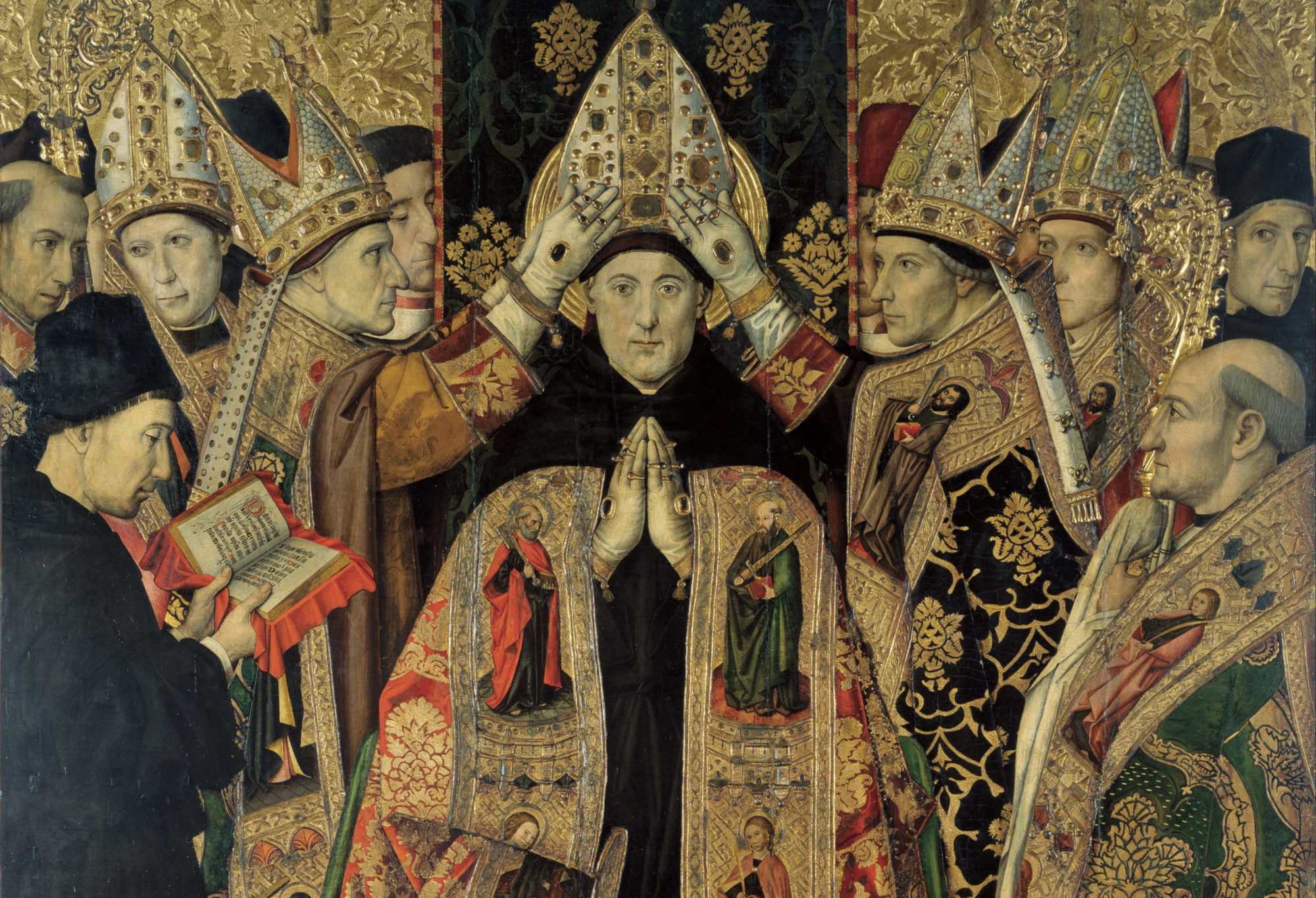
Reading Augustine
Augustine’s influence runs deep and broad through Western Christian doctrine and ethics. This paper focuses on two particular examples of this influence: his thinking on political order and on just war.
James Turner JohnsonJanuary 3, 2018

Sex, Lies, and Spies
We can make a clear and convincing case that the Christian tradition may support the idea that lies told for the public good are justifiable. When spies tell such lies in the line of duty, their deceptions fall into that category and, so, are justifiable. Can the same be said for sex in the line of duty?
Darrell ColeDecember 20, 2017

The Fifth Image: Seeing the Enemy with Just War Eyes
In the Christian view, the normative grounding from which the tradition of just war casuistry springs is the dominical command to love.
Marc LiVeccheJanuary 4, 2017

 Sponsor a student for Christianity & National Security 2024