
Daniel Patrick Moynihan argued that to form a pluralist society—one in which all traditions and ethnicities thrive—we must abandon our utopian visions
Jeffery Tyler SyckOctober 13, 2025
“The Founders way of thinking about liberty is much more alert to dangers to liberty in civil society.”
Mark TooleyJuly 3, 2025

American conservatives can learn from our Tory forerunners the importance of reverence and order, realism and romance, and ultimately the poetry that is the soul of our civilization
Michael LuccheseMay 12, 2025
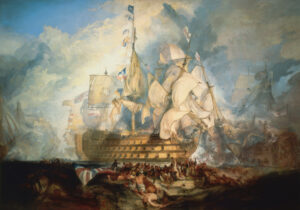
The solidification of British national identity around Protestant piety, liberty, empire, and commerce played a significant yet under-discussed role in abolishing slavery
Eamonn BellinMarch 13, 2025
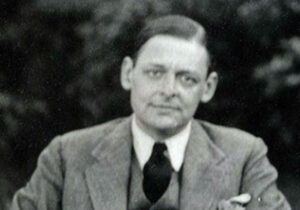
As the season of Lent begins, T.S. Eliot’s poem “The Hollow Men” provides ever-relevant lessons for overcoming spiritual lassitude characteristic of modernity
Michael LuccheseMarch 5, 2025
Paul DeHart’s new book, “Contract in the Ruins: Natural Law and Government by Consent,” argues that what we today call “liberalism” cannot be understood in isolation from natural law and the Protestant Reformation
Trey DimsdaleJanuary 7, 2025

Although integralism specifically and postliberalism generally seem to be declining as philosophical projects, Kevin Vallier’s “All the Kingdoms of the World” still urges us to ask why these ideas were so popular in the first place
John SheltonNovember 21, 2024
Robert Kagan’s new book mistakenly argues that everything bad in America comes from religion and everything good from the Enlightenment
Paul MarshallOctober 25, 2024
Westerners must reckon with the fact that Islamic terrorists are not outliers but instead have broad support across the global Muslim community
Robert NicholsonSeptember 9, 2024